

The Medicinal Herb Is Not a Weak Medicine - and why a humble dandelion deserves a little more respect.
“I tried herbal remedies. They didn't work.”
“Herbs aren't strong enough for this.”
“I'd love to try herbal teas, but I can't stand the taste.”
As a herbal medicine practitioner, I hear these objections quite often. And sometimes, I understand them perfectly.
To be fair, a cup of nettle tea is enough to send me running in the opposite direction.
And yes, there are situations where I wouldn't consider herbal medicine the most appropriate or effective choice.
But not because herbs are weak.
The fact that something comes from a plant doesn't make it mild, harmless or ineffective. Nor does it make herbal medicine simply a natural version of conventional medication.
Medicinal plants contain biologically active compounds that can influence the way our bodies function. The important question is how we use them.
The Plant Is Only the Beginning
Choosing a medicinal herb involves much more than matching a plant's name to a symptom.
Which plant are we using? Which part of it? How is it prepared? In what quantity? And, perhaps most importantly, who is going to use it, and under what circumstances?
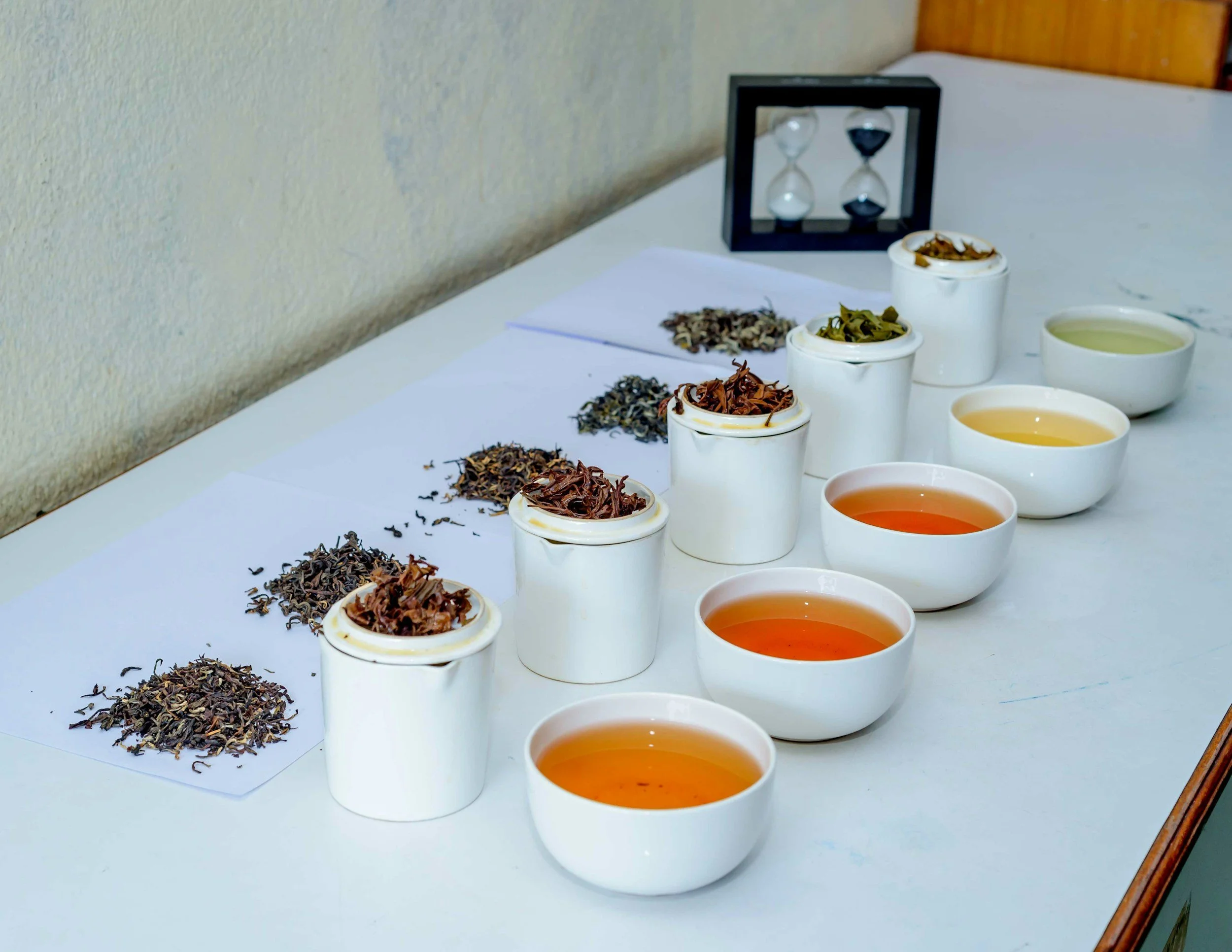
Should we steep it in hot water, simmer it, or leave it to infuse in cold water? Would a tincture be more suitable? A capsule? A cream?
These aren't fussy details invented by overly enthusiastic herbalists.
They can make a substantial difference.
Different parts of the same plant may contain different concentrations and combinations of compounds. Roots, leaves, flowers, seeds and bark are not interchangeable simply because they belong to the same species.
And the method of preparation influences which compounds become available in the finished product.
In herbal medicine, knowing the plant is only the beginning. Knowing how to use it is where the real work starts.
More Than a Single Active Ingredient
Medicinal plants rarely contain just one biologically active substance.
They contain complex mixtures of compounds, many of which may interact with one another. Some can complement or enhance particular effects; others may modify or counterbalance them.
This complexity is one of the fascinating aspects of phytotherapy.
Conventional medicine has also drawn extensively on the chemistry of plants. The history of aspirin, for example, is closely connected to salicylates found in willow bark. And cardiac glycosides originally derived from foxglove have played an important role in the development of heart medicines.
That doesn't mean willow bark is interchangeable with aspirin, or that foxglove can safely be used at home. Quite the opposite: foxglove is highly poisonous, and its active compounds require precisely controlled pharmaceutical preparations and medical supervision.
Natural does not automatically mean safe. And powerful does not automatically mean appropriate.
Herbal medicine deserves to be taken seriously — including its limitations.
Meet the Dandelion
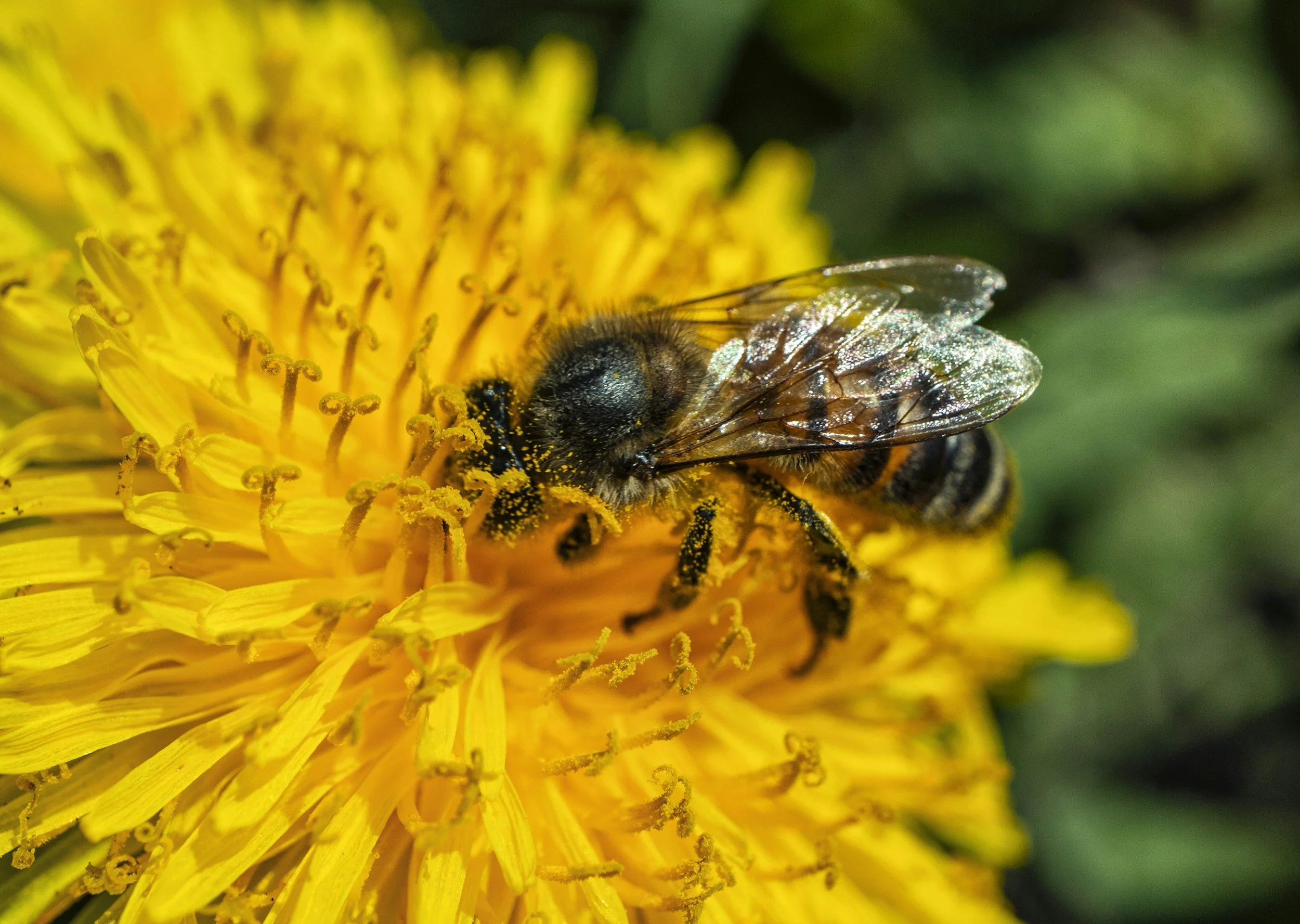
There is perhaps no better illustration of the hidden potential of an ordinary plant than the humble dandelion.
Most people know it as a stubborn garden weed. It appears in lawns, between paving stones and in places where nobody invited it.
Children blow its seeds into the wind. Gardeners spend considerable energy trying to remove it.
And herbalists? We see something rather different.
The common dandelion (Taraxacum officinale species group) has a long history of use in European herbal medicine.
Its leaves and roots have different characteristics and traditional applications.
Dandelion leaves have traditionally been used to support urinary elimination. They contain minerals, including potassium, as well as various plant compounds.
Dandelion root has a different profile. Rich in bitter constituents and, depending on the season, varying amounts of inulin, it has traditionally been used to stimulate appetite and support digestive function.
Its bitter taste is not an unfortunate design flaw. Bitter substances are part of the reason certain herbs have traditionally been used around mealtimes to encourage digestive responses.
The root is also associated with traditional uses relating to bile flow and liver function.
And the flowers? Beyond their beauty and culinary uses, they contain pigments and other phytochemicals that make them interesting in their own right.
One plant. Several different parts. Different compositions. Different possibilities.
Exactly the point I've been trying to make.
A Remarkable Discovery Beneath the Surface
The dandelion root has another, rather extraordinary story to tell.
Researchers at the University of Windsor in Canada have investigated the anticancer activity of dandelion root extract. In laboratory experiments, aqueous extracts triggered programmed cell death — known as apoptosis — in several types of cancer cells, including leukemia, pancreatic cancer and colorectal cancer cells.
In a 2016 study, researchers observed programmed cell death in more than 95% of the colorectal cancer cells tested within 48 hours. In mice carrying human colorectal tumours, the extract also reduced tumour growth by more than 90%.
These are preclinical findings, not evidence that dandelion root can treat cancer in humans. But they reveal a fascinating biological potential that researchers are continuing to investigate.
Think about that for a moment.
The same plant we casually pull out of our lawns contains compounds capable of influencing processes as fundamental as cell survival and programmed cell death.
Not bad for a humble weed, is it?
Why DandeLion?
I love the contradiction.
A plant so ordinary that people walk past it without a second glance, yet so full of possibilities when you take the time to understand it.
The dandelion doesn't need to be rare, exotic or expensive to be interesting.
It simply needs someone to look a little closer.
And perhaps that is a good starting point for self-care, too.
We don't always need to search for something extraordinary. Sometimes we need to become more curious about what is already there.
Medicinal herbs are not weak medicines. Nor are they merely substitutes for conventional drugs.
They are therapeutic resources with their own characteristics, possibilities, risks and limitations.
Understanding those differences is what turns a collection of plants into the thoughtful practice of herbal medicine.
And the next time you see a dandelion growing between two paving stones?
Perhaps give it a second look.
It might have more to offer than you think.