

Why an Essential Oil Deserves a Place in Your HandbagOne stressful day, nine different reactions — and why choosing the right scent matters.
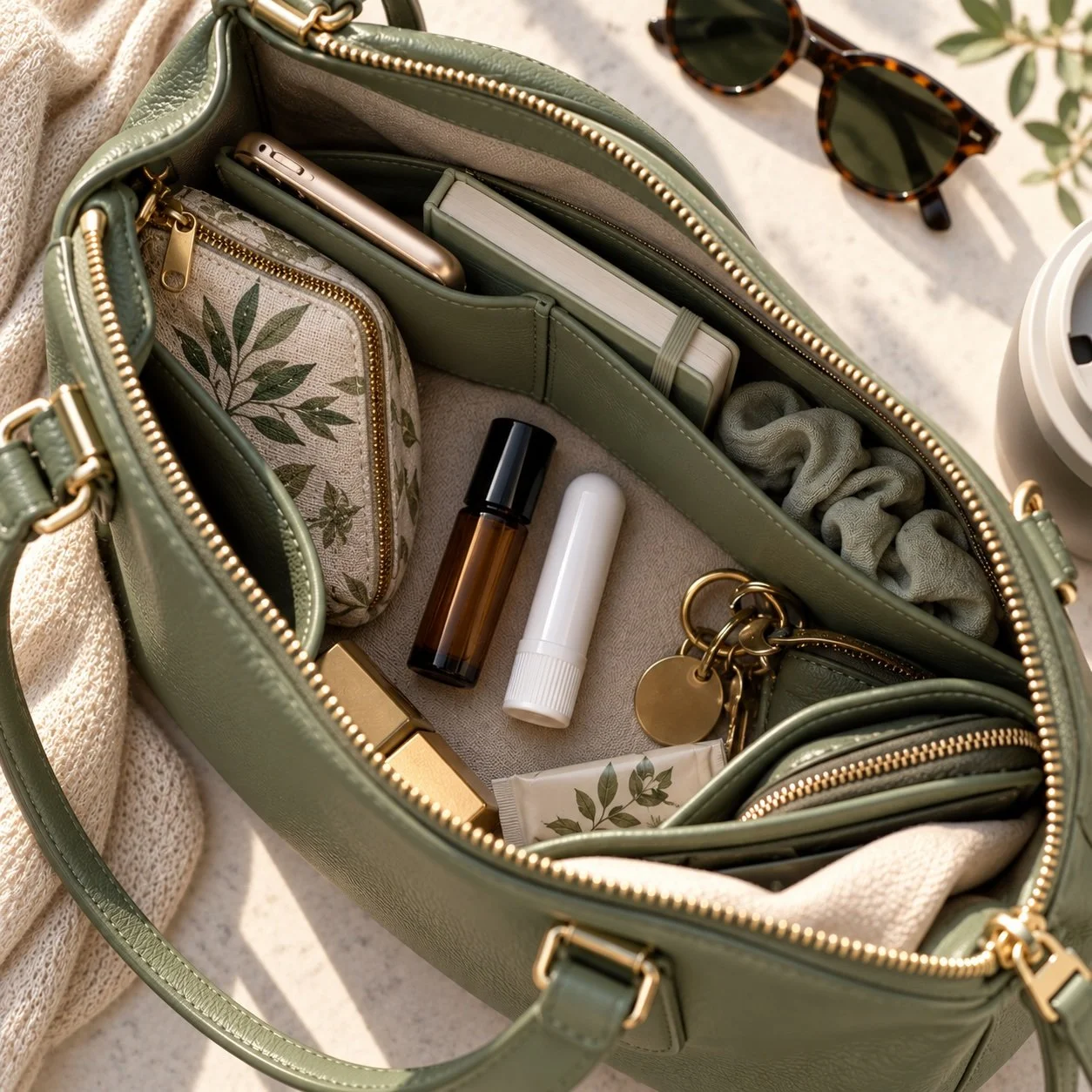
There are plenty of things we carry around every day: our phone, keys, wallet, perhaps a lipstick, and a collection of mysterious objects that somehow never leave the bottom of our bag.
But there's one small thing I believe deserves a place among them: a carefully chosen essential oil.
Not because everyone needs to smell like a lavender field. And certainly not because one little bottle can solve all of life's problems.
But because scent offers something rather special: a simple, discreet way to influence how we feel, wherever we happen to be.
Why Scent Can Make Such a Difference
Unlike many other sensory experiences, smell has a particularly direct relationship with the brain systems involved in emotion and memory.
When aromatic molecules reach the olfactory receptors in your nose, they trigger signals that travel through the olfactory system to brain regions closely connected with emotional processing, memory and physiological responses.
This helps explain why a familiar scent can instantly bring back a childhood memory, evoke a feeling of comfort, or change the atmosphere of a moment.
And it is also why choosing an essential oil is much more personal than simply picking a fragrance you find pleasant.
In holistic practice, individualisation is essential. We don't all experience stress in the same way, so why should we expect the same scent to suit everyone?
One Stressful Situation, Nine Different Responses
Imagine a particularly demanding period in your life.
Perhaps you're preparing for an important exam, managing a major project, juggling deadlines, or carrying more responsibility than usual.
You might describe the situation in one word: stress.
But what does that stress actually feel like?
Ginger — When you need a little courage to start your day
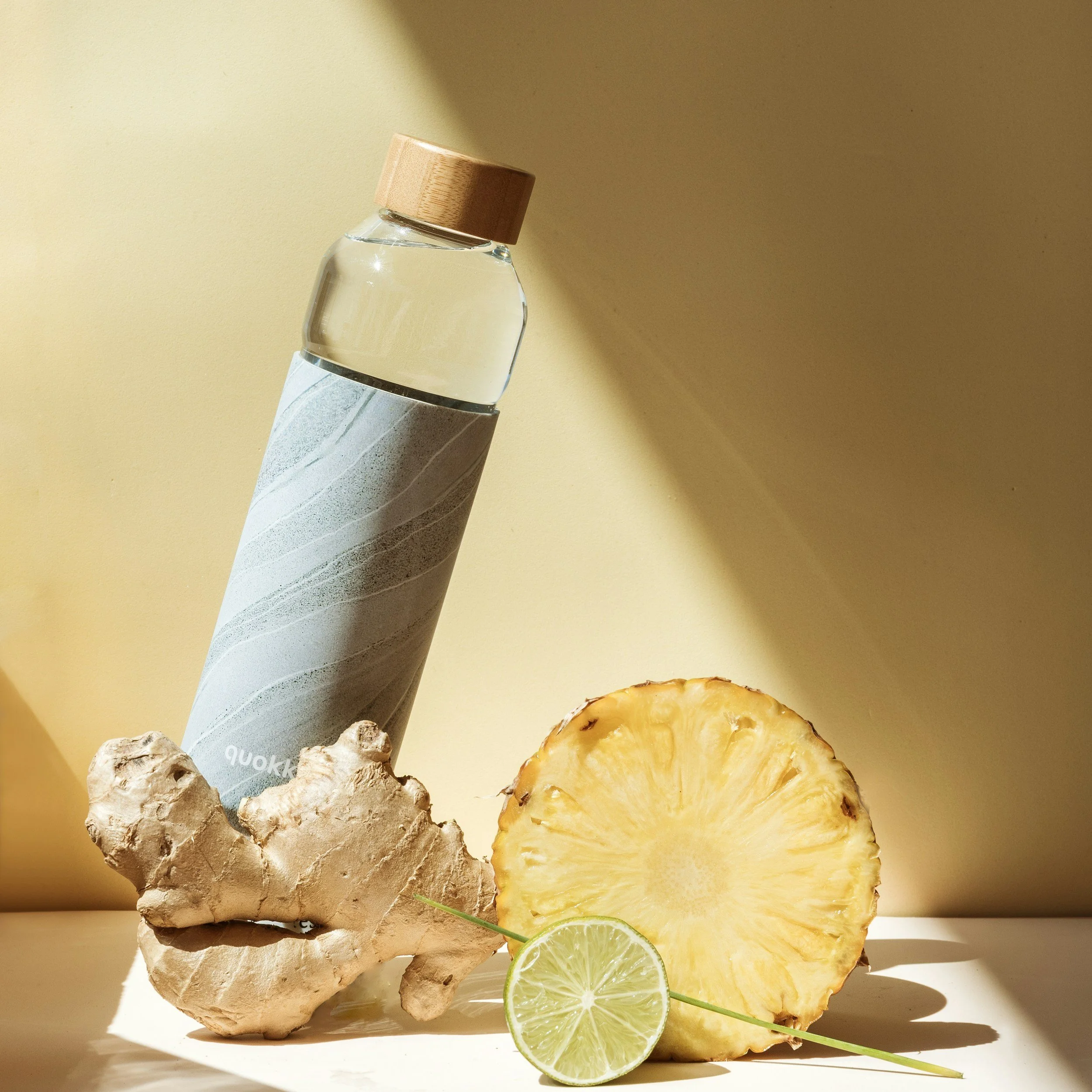
The alarm has gone off. You know what needs to be done. But somehow, getting started feels like the hardest part.
Perhaps there's a difficult conversation ahead, a challenging task you've been putting off, or simply a day that requires more determination than you can currently muster.
Ginger's warm, spicy, invigorating aroma is traditionally associated with vitality, confidence and the courage to take action.
It can be a wonderful companion to a morning ritual when you need to move from hesitation into action.
Because sometimes you don't need another cup of coffee. You need a little fire in your belly.
Peppermint — When your mind is exhausted
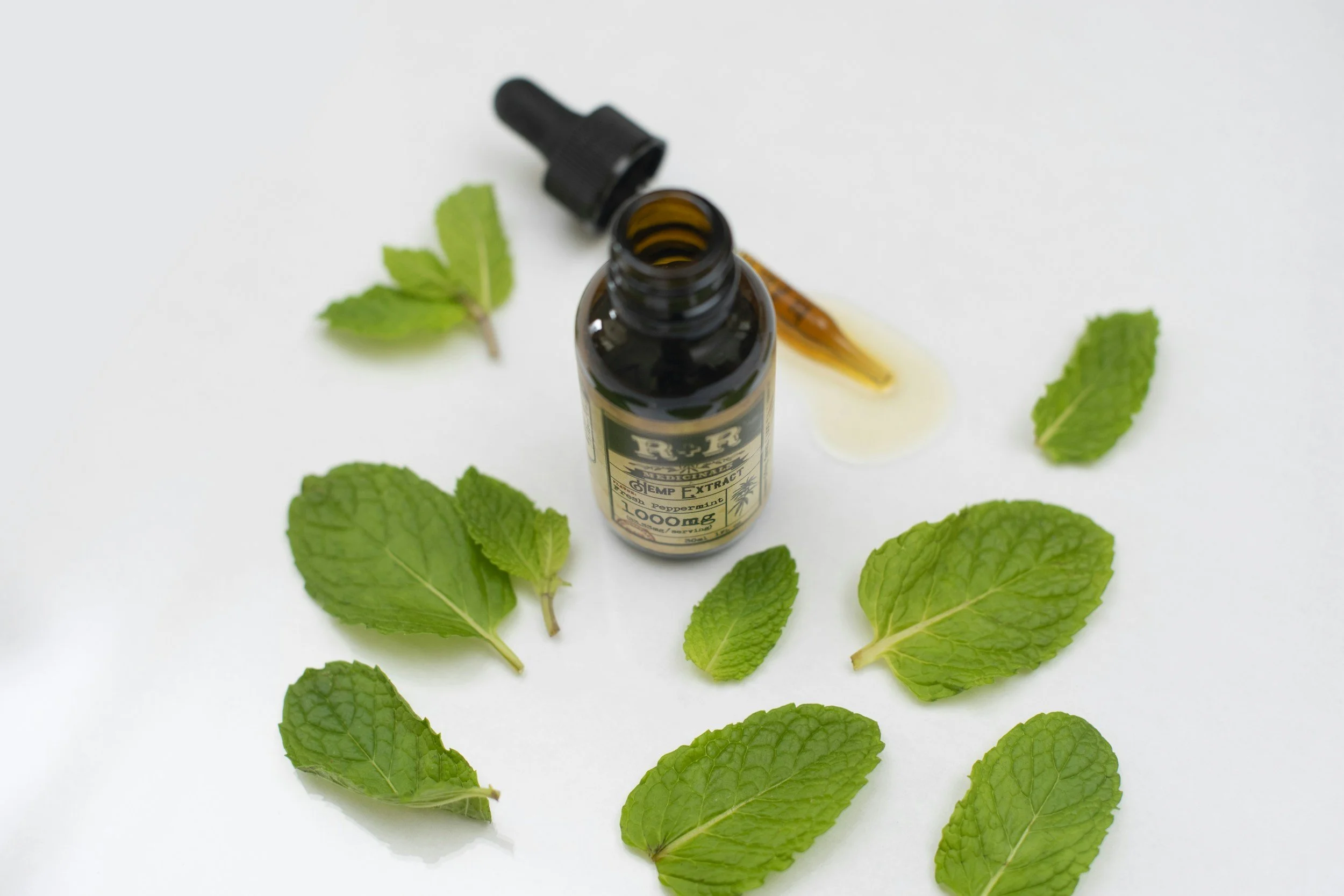
You've been concentrating for hours. Your thoughts feel sluggish, your attention keeps wandering, and even simple decisions seem to require enormous effort.
Peppermint's fresh, penetrating aroma may be an appealing choice when you want to feel more alert and mentally refreshed.
Bergamot — When stress leaves you feeling mentally foggy

You've been under pressure for days. Your sleep hasn't been particularly restorative, and everything feels a little heavier than usual.
Bergamot has a bright yet gentle citrus character that many people find emotionally uplifting without being overly stimulating.
Geranium — When nothing you do ever seems good enough
You work hard, set high standards, and still worry that you haven't done enough.
The stress isn't only coming from your workload. It's also coming from the expectations you place on yourself.
Geranium's rich, floral-green scent is traditionally used in aromatherapy to support emotional balance, particularly when tension and self-criticism become difficult to put aside.
Lavender — When your mind refuses to switch off
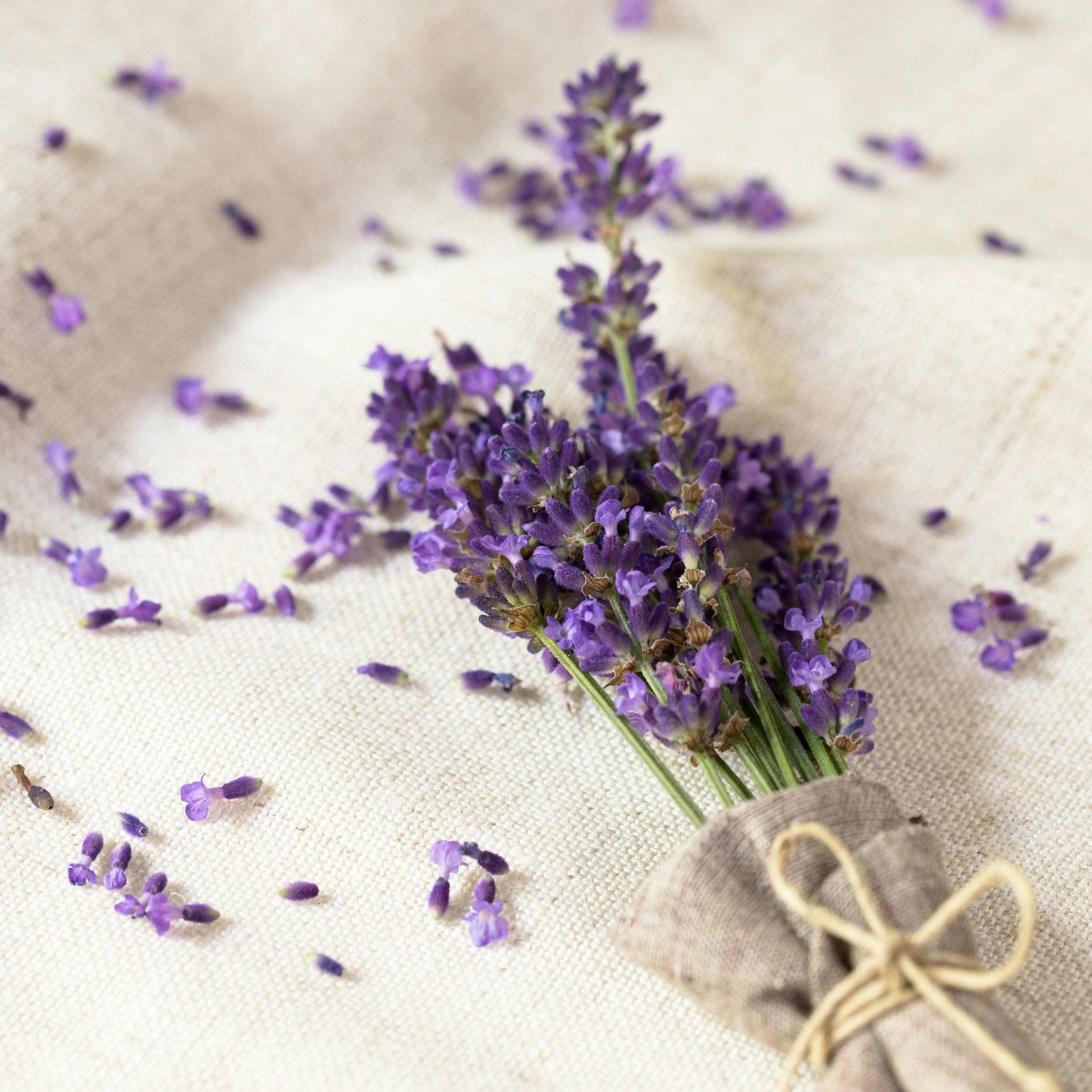
The day is over, but your thoughts haven't received the message.
You replay conversations, plan tomorrow's tasks, and struggle to settle down.
Lavender is a familiar choice for relaxation and for creating a calmer atmosphere before sleep.
Sweet Orange — When you're driven by the need to keep performing

You aren't necessarily tired of your work. In fact, you may love it.
But somewhere along the way, enthusiasm has turned into pressure. You keep pushing, organising, improving and proving — and find it surprisingly difficult to stop.
The warm, cheerful scent of sweet orange may help create a welcome sense of lightness.
Sometimes what we need isn't more motivation. It's permission to loosen our grip.
Rosemary — When both body and mind feel depleted
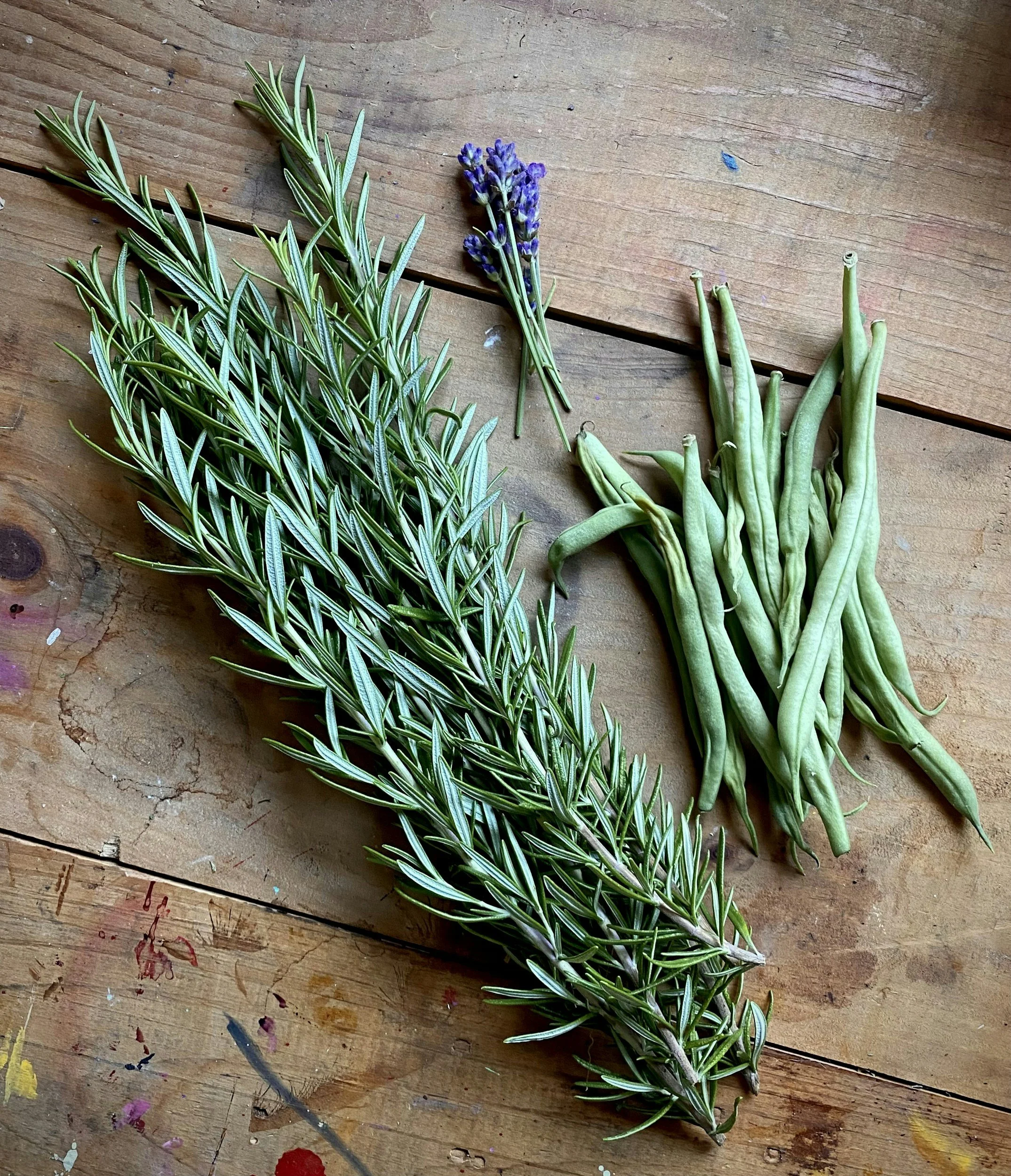
You've reached that point where concentration takes effort and your energy seems to have disappeared.
Rosemary's fresh, herbal aroma is often chosen when mental clarity and a sense of renewed vitality are the priorities.
Roman Chamomile — When the daily routine wears you down
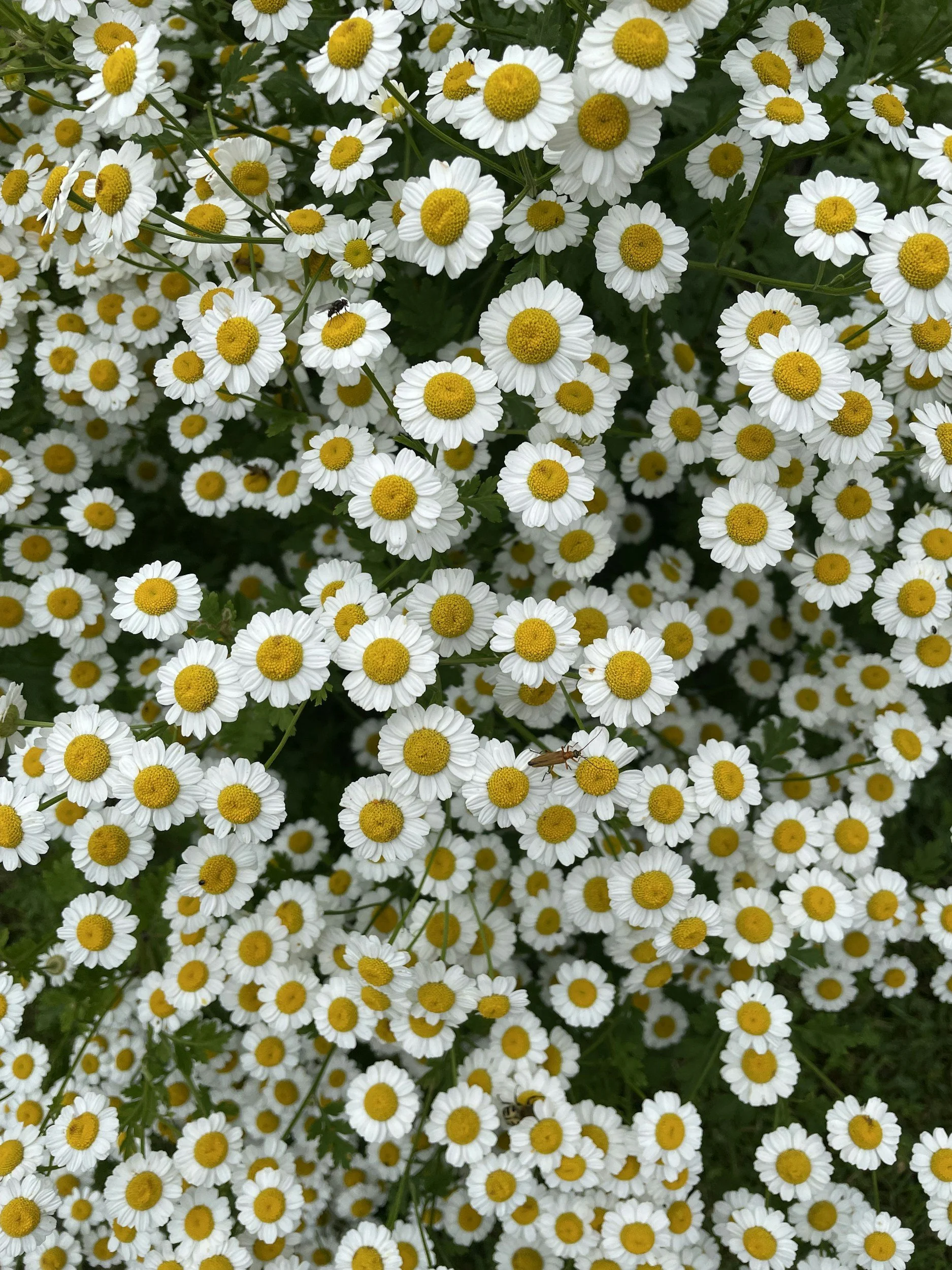
It's not necessarily that you have too much to do. It's that you keep doing the same things, day after day.
The same tasks, the same responsibilities, the same predictable routine. Somewhere along the way, you've lost your enthusiasm — and perhaps a little of your patience, too.
Even small interruptions start to irritate you.
Roman chamomile's gentle, apple-like aroma is traditionally associated with easing emotional tension and irritability, offering a moment of softness when everyday life begins to feel like an endless repetition.
Sometimes you don't need more energy. You need a little relief from the sameness.
Sandalwood — When your workday ends, but your mind is still at work

You've closed your laptop, left the office, and officially finished for the day.
But mentally? You're still answering emails, replaying conversations, or planning tomorrow.
Meanwhile, another part of your life is waiting for you — your family, your partner, your friends, or simply an evening you'd like to enjoy.
Sandalwood's warm, deep, woody aroma has a long tradition of use in contemplative practices. It can become a lovely part of a small transition ritual, helping you leave one role behind and arrive more fully in the next.
Because sometimes the challenge isn't finding time for the people and things you love.
It's actually being there when you do.
The Right Oil Is the One That Fits You
Of course, real life is rarely as tidy as nine separate examples.
You might be mentally exhausted and struggling with perfectionism. You might have difficulty sleeping while also feeling physically depleted.
Your usual temperament, personal associations and response to a particular scent matter too.
That's why I prefer to think of these examples as starting points for exploration, not rigid prescriptions.
You may discover that one essential oil suits you beautifully. Or you may prefer a personal blend of two or three oils, chosen to reflect different aspects of your current state.
And here's something worth remembering: an oil can look perfect on paper and still feel completely wrong when you smell it.
Your own response is part of the selection process.
A Little Bottle, A Personal Ritual
You don't need to surround yourself with essential oils all day.
Sometimes a brief moment of intentional smelling is enough to interrupt the rush, notice how you're feeling and give yourself a little space before carrying on.
A personal inhaler or an aroma stick can make this especially convenient. It's small, discreet, portable and doesn't require applying essential oils directly to your skin.
Choose good-quality, clearly identified essential oils, use them sparingly, and remember that natural doesn't automatically mean harmless. Some oils require extra care around children, pets, pregnancy or particular health conditions.
But above all, take the time to discover which scent genuinely appeals to you — and why.
Because the most useful essential oil in your handbag isn't necessarily the most popular one. It's the one that makes sense for you.