

Your Emotions Don't Stay in Your Head. Why emotional wellbeing matters to your health — and how Bach flower remedies can become part of your self-care.
Being Human Comes with Emotions
Sometimes we get angry. Sometimes we worry too much, give in when we would rather say no, or feel disappointed in ourselves.
That's not a problem. That's being human.
We aren't supposed to be endlessly cheerful, perfectly confident, or completely unaffected by life's difficulties.
Emotions are part of how we experience the world. They tell us what matters, what hurts, what frightens us, and sometimes what needs to change.
The problem begins when a temporary emotional state becomes a permanent way of living.
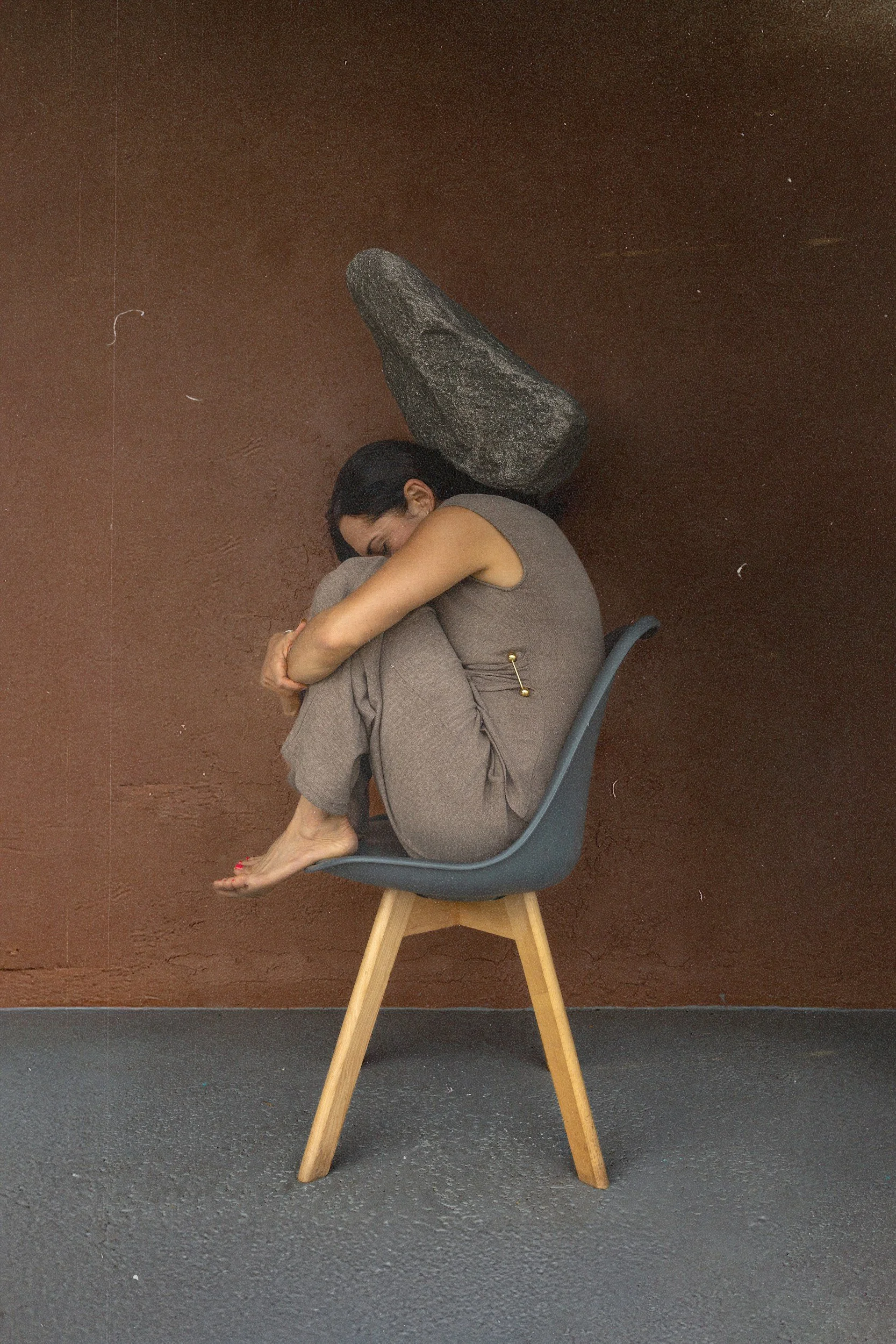
When worry becomes your constant companion. When resentment follows you from one day to the next. When you keep putting everyone else's needs ahead of your own until you've almost forgotten what yours are.
That's when emotional stress deserves more than a passing thought.
When Your Emotions Begin to Limit Your Life
Persistent emotional stress doesn't necessarily announce itself dramatically.
Sometimes it quietly makes your world smaller.
You stop applying for opportunities because you're afraid of failing. You avoid difficult conversations because you can't bear confrontation. You say yes when you desperately want to say no.
Or perhaps you keep working, achieving and taking care of everyone around you — while feeling increasingly exhausted and dissatisfied.
From the outside, your life may look perfectly fine.
But on the inside, you're spending an enormous amount of energy managing feelings that never seem to settle.
And that energy is no longer available for living the life you actually want.
Your Body Is Part of the Conversation
Our emotions and physical functioning are closely connected through the nervous system, hormonal signalling and the body's stress response.

Think about what happens when you're anxious before an important event. Your heart may beat faster, your stomach may tighten, and your appetite may disappear.
These aren't imaginary sensations. They're physical expressions of the body's response to stress.
When stress becomes persistent, its effects can reach much deeper.
The relationship between the brain and digestive system, often called the gut–brain axis, helps explain why prolonged stress can affect digestion, bowel habits and abdominal comfort.
Stress can also influence sleep, muscle tension and hormonal regulation. For some people, it may contribute to headaches or trigger migraines.
Chronic stress may also keep muscles in a state of increased tension, particularly around the neck, shoulders and back, contributing to persistent discomfort and sometimes aggravating existing spinal or musculoskeletal problems.
Of course, physical symptoms can have many causes and deserve appropriate medical attention when necessary.
But caring for your emotional wellbeing is not separate from caring for your body.
The two have been in conversation all along.
What If We Paid Attention Earlier?
We tend to take physical discomfort seriously.
A persistent headache sends us looking for answers. Poor sleep eventually becomes impossible to ignore. Digestive problems make us reconsider what we're eating.
But what about persistent fear? Resentment? Self-doubt? The inability to set boundaries?
Why do we so often treat these as personality traits we simply have to live with?
What if we started paying attention before emotional stress began shaping our decisions, relationships and everyday wellbeing?
This is where the philosophy of Dr Edward Bach offers an interesting perspective.
The Bach Flower Approach: Understanding the Feeling Behind the Stress
Dr Edward Bach developed a system of 38 flower remedies, traditionally used to support emotional balance.
His approach begins with a simple but important observation: two people facing the same situation may experience entirely different emotions.
Imagine two people who are afraid.
One knows exactly what frightens them. The other feels an uneasy sense that something terrible might happen, without knowing why.
Or consider two people who feel lonely.
One withdraws and prefers to manage everything alone. The other desperately seeks company and finds silence almost unbearable.
The outward problem may sound similar, but the inner experience is different.
And in Bach's system, that difference matters.
Rather than choosing a remedy for a physical diagnosis, the traditional approach focuses on identifying the person's particular emotional state.
Bach flower remedies are easy to incorporate into a personal self-care routine. Many people value the gentle ritual of selecting and taking them as part of paying closer attention to their emotions.
Bach organised his 38 remedies into seven groups, each reflecting a different area of emotional difficulty.
These aren't seven boxes into which we must fit ourselves.
They're seven invitations to look more closely at what's happening within us.
And sometimes, simply recognising the pattern is the beginning of changing it.
You Don't Have to Wait for the Storm to Pass
Emotional wellbeing isn't about never feeling afraid, angry, disappointed or uncertain.
It's about not becoming trapped in those feelings.
It's about noticing when a temporary emotion has quietly become a permanent burden — and recognising that you can begin caring for yourself before that burden grows heavier.
The Bach flower approach offers one way to explore these emotional patterns and make space for a more intentional relationship with them.
Because the aim isn't to become someone who never experiences storms.
It's to remember that the sun is still there — even when it’s covered by clouds.